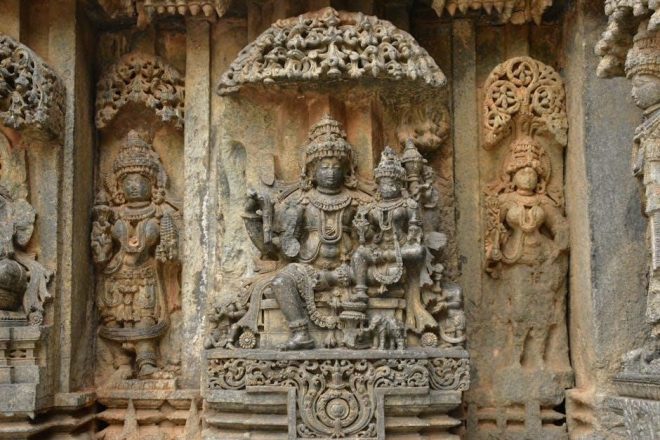
Vishnu Sahasranamavali in Telugu: A Comprehensive Guide
Exploring the divine names of Lord Vishnu in Telugu, this guide delves into readily available PDF resources for study and recitation; Discover editions by Bellamkonda Rama Raya Kavindrulu,
Shankara Bhashyam, and Swamy Krishnadasji, offering diverse interpretations and facilitating a deeper spiritual connection․
The Vishnu Sahasranamavali, a sacred hymn consisting of 1,000 names of Lord Vishnu, holds immense significance in Hinduism․ Its recitation is believed to bestow numerous benefits, including purification of the mind, liberation from sins, and attainment of spiritual enlightenment․ For devotees seeking to engage with this powerful stotra in Telugu, numerous resources are now accessible, particularly in PDF format․
These Telugu PDF versions cater to a wide range of learners, offering transliterations, translations, and commentaries․ The availability of digital copies ensures that the Sahasranamavali is readily available to anyone with an internet connection, transcending geographical limitations․ Several prominent scholars have contributed to the understanding of this text in Telugu, including Bellamkonda Rama Raya Kavindrulu, whose detailed commentary is widely respected․
Furthermore, interpretations by Shankara and Swamy Krishnadasji, also available as PDF downloads, provide different perspectives on the meaning and significance of each name․ The increasing digitization of these texts reflects a growing desire to preserve and disseminate this invaluable spiritual heritage within the Telugu-speaking community and beyond․
The Significance of Chanting in Telugu
Chanting the Vishnu Sahasranamavali in Telugu is considered highly auspicious, believed to invoke divine grace and foster a profound connection with Lord Vishnu․ The Telugu language itself adds a unique resonance to the recitation, enhancing its spiritual potency for native speakers․ Accessing the stotra in PDF format facilitates consistent and convenient practice․
The benefits of chanting extend beyond mere devotional practice․ It’s thought to purify the mind, reduce stress, and promote inner peace․ The rhythmic repetition of the names creates a meditative state, allowing devotees to transcend worldly concerns․ PDF versions often include transliterations, aiding correct pronunciation, crucial for maximizing the benefits of the chant․
Moreover, studying the meanings of the names, readily available alongside the text in many PDF resources, deepens understanding and strengthens faith․ Different commentaries, like those by Shankara and Swamy Krishnadasji (available digitally), offer nuanced interpretations․ Regular recitation, aided by accessible PDF copies, is a powerful tool for spiritual growth and liberation․
Historical Context and Origins
The Vishnu Sahasranamavali originates from the Mahabharata, specifically the Anushasana Parva, recited by Bhishma to Yudhisthira․ While its roots lie in Sanskrit, its translation and interpretation into Telugu have a rich history, fostering its accessibility within the region․ The availability of PDF versions today reflects a continuation of this tradition of dissemination․
Historically, the stotra was transmitted orally for centuries before being committed to writing․ In Telugu, commentaries by scholars like Bellamkonda Rama Raya Kavindrulu, dating back to 2012 (as evidenced by digitized versions in PDF format), played a vital role in popularizing and explaining the names․ These commentaries often provided cultural context and linguistic clarity․
The digitization of these texts into PDFs represents a modern chapter in this history, preserving and sharing these ancient teachings with a wider audience․ Access to these resources allows devotees to connect with a lineage of scholarship and devotion, tracing the stotra’s journey from its epic origins to contemporary practice․ The preservation of these PDF documents is crucial for future generations;

Bellamkonda Rama Raya Kavindrulu’s Commentary
Bellamkonda Rama Raya Kavindrulu stands as a pivotal figure in the Telugu interpretation of the Vishnu Sahasranamavali․ His comprehensive commentary, often found in PDF format online, is highly regarded for its depth and clarity․ Digitized by his great-grandson, Bellamkonda Chakradhar in March 2012, this work ensures the preservation and accessibility of Kavindrulu’s scholarship․
Kavindrulu’s commentary doesn’t merely translate the names; it elucidates their philosophical underpinnings, drawing upon various schools of Vedanta․ The PDF version allows for detailed study, enabling readers to explore the nuances of each name and its significance within the broader context of Vaishnava theology․
The availability of this commentary as a PDF is particularly valuable for Telugu-speaking devotees seeking a traditional and authoritative understanding of the Sahasranamavali․ It bridges the gap between the original Sanskrit text and the cultural context of Telugu-speaking regions, making the stotra more relatable and accessible․ His work remains a cornerstone for many practitioners, readily available for download and study․
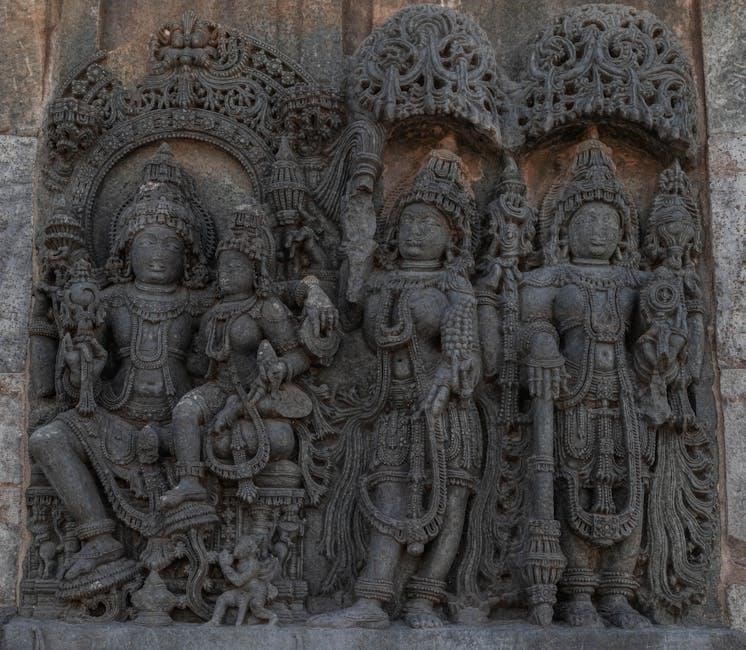
Vishnu Sahasranamavali: Structure and Organization
The Vishnu Sahasranamavali, meaning “thousand names of Vishnu,” follows a meticulously crafted structure․ Typically, PDF versions available online maintain this organization, beginning with an invocation and culminating in a benedictory verse․ The core consists of 1008 names, grouped into 11 chapters (padas), each containing approximately 100 names․
These names aren’t randomly listed; they are arranged thematically, progressing from names denoting auspiciousness and power to those emphasizing beauty, compassion, and ultimate reality․ Many PDF editions, particularly those with commentaries like Bellamkonda Rama Raya Kavindrulu’s, highlight these thematic groupings․

Understanding this structure is crucial for effective recitation and contemplation․ The organization facilitates a holistic understanding of Vishnu’s multifaceted nature․ Digital PDF formats often include indices and tables of contents, aiding navigation and allowing users to focus on specific names or themes․ The consistent structure across various PDF versions ensures a standardized learning experience․
Understanding the 1000 Names
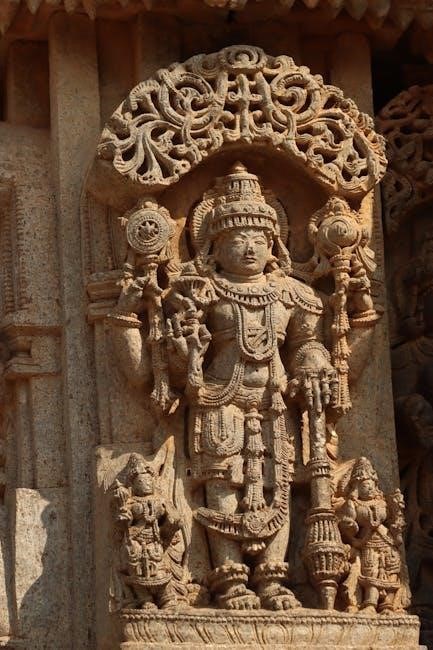
Each of the 1000 names within the Vishnu Sahasranamavali encapsulates a specific attribute or aspect of Lord Vishnu․ PDF resources in Telugu often provide detailed explanations, drawing from commentaries like Shankara Bhashyam and Swamy Krishnadasji’s interpretations․ These names aren’t merely labels; they are potent mantras capable of invoking divine energy․
Many names are compound words, revealing layers of meaning․ For example, a single name might simultaneously denote strength, wisdom, and compassion․ PDF versions with Telugu translations and explanations are invaluable for deciphering these nuances․
Studying the names systematically, as presented in readily available PDF documents, allows devotees to progressively comprehend Vishnu’s infinite qualities․ The names cover a vast spectrum – from cosmic functions to personal virtues․ Accessing these resources in PDF format enables convenient and focused study, fostering a deeper connection with the divine essence embodied in each name․
Shankara Bhashyam: Shankara’s Commentary in Telugu
Shankara Bhashyam, Adi Shankaracharya’s commentary on the Vishnu Sahasranamavali, offers profound philosophical insights into each of the 1000 names․ Fortunately, Telugu translations of this Bhashyam are available in PDF format, making this wisdom accessible to a wider audience․
Shankara’s interpretation emphasizes the non-dualistic (Advaita Vedanta) perspective, revealing how each name points towards the ultimate reality of Brahman․ The PDF versions often include the original Sanskrit verses alongside the Telugu translation and Shankara’s commentary, facilitating comparative study․
These PDF resources are invaluable for those seeking a deeper understanding beyond the literal meanings of the names․ Shankara clarifies the subtle connections between the names and their relation to the divine attributes․ Accessing the Bhashyam in PDF allows for focused contemplation and a more nuanced appreciation of the Sahasranamavali’s spiritual depth․
Swamy Krishnadasji’s Interpretation in Telugu

Swamy Krishnadasji’s interpretation of the Vishnu Sahasranamavali, available in Telugu, presents a devotional and accessible approach to understanding the 1000 names․ His teachings, rooted in the Vaishnava tradition, emphasize the loving relationship between the devotee and Lord Vishnu․
Thankfully, his discourse on the Sahasranamavali has been compiled and distributed as a PDF resource․ This PDF provides a detailed explanation of each name, often accompanied by illustrative stories and practical guidance for spiritual practice․ Swamy Krishnadasji’s style is known for its clarity and emphasis on personal experience․
The Telugu PDF version is particularly beneficial for those who prefer to study in their native language, allowing for a more intimate connection with the text․ It’s a valuable tool for both beginners and experienced practitioners, offering a pathway to deepen their devotion and understanding of Vishnu’s divine qualities․ His interpretation focuses on the practical application of the names in daily life․
Availability of PDF Resources
Fortunately, numerous PDF resources of the Vishnu Sahasranamavali in Telugu are readily accessible online, catering to diverse learning preferences․ The Internet Archive hosts digitized versions, including Bellamkonda Rama Raya Kavindrulu’s commentary – “VIVARNADHI VISHNU SAHASRA NAMAVLLI VYAKYA”, originally digitized in March 2012․
Furthermore, PDF versions of Shankara Bhashyam, Shankara’s commentary, are available through sites like teluguthesis․com, offering a scholarly perspective․ Swamy Krishnadasji’s interpretation is also widely circulated as a downloadable PDF, providing a devotional approach․
A general “Sri Vishnu Sahasranamam Telugu” PDF is also available, offering the names themselves for recitation and study․ Websites dedicated to Telugu books and Sanskrit texts frequently host these resources․ Searching for “విష్ణ సహస్రనామ PDF” will yield numerous results․ These PDFs allow devotees to easily access and study the Sahasranamavali at their convenience, fostering a deeper connection with the divine names․
Key Benefits of Recitation
Consistent recitation of the Vishnu Sahasranamavali in Telugu, facilitated by accessible PDF resources, yields profound spiritual benefits․ Chanting these 1000 names of Lord Vishnu is believed to purify the mind, body, and soul, fostering inner peace and tranquility․ Devotees experience a reduction in stress, anxiety, and negative energies․
Regular practice cultivates devotion (bhakti) and strengthens one’s connection with the divine․ The names themselves are considered potent mantras, capable of removing obstacles and granting blessings; Recitation enhances mental clarity, improves concentration, and promotes overall well-being․
Accessing the Sahasranamavali through PDFs allows for convenient daily practice․ It is believed to bestow prosperity, health, and spiritual liberation (moksha)․ The power of the names, amplified by sincere devotion and consistent recitation, creates a positive aura and attracts auspiciousness into one’s life, leading to a harmonious existence․
Correct Pronunciation and Phonetics (Telugu)
Achieving accurate pronunciation is crucial when reciting the Vishnu Sahasranamavali in Telugu․ Utilizing PDF resources that include transliteration can significantly aid learners․ Telugu possesses unique phonetic sounds, and proper articulation unlocks the mantra’s full power․
Many PDF versions offer guidance on pronouncing each name correctly, often including phonetic breakdowns․ Pay close attention to vowel sounds and consonant combinations specific to Telugu․ Online audio resources, complementing the PDFs, can provide auditory examples for accurate replication․
Incorrect pronunciation can alter the mantra’s vibrational frequency, diminishing its efficacy․ Seek guidance from experienced practitioners or scholars if needed․ Mastering the phonetics ensures the recitation resonates with the divine energy, fostering a deeper spiritual connection․ Consistent practice, alongside careful study of the PDF materials, will refine pronunciation and enhance the devotional experience․
Different Schools of Thought on Interpretation
The Vishnu Sahasranamavali, even within the Telugu context, is subject to varied interpretations across different schools of thought․ Examining PDF resources from diverse commentaries – like those by Shankara, Bellamkonda Rama Raya, and Swamy Krishnadasji – reveals these nuances․
Advaita Vedanta, represented in Shankara’s Bhashyam (often available in PDF format), emphasizes the non-dual nature of reality, interpreting the names as manifestations of Brahman․ Other schools, like Vishishtadvaita, see the names as attributes of a personal God, Vishnu․
The commentaries within these PDFs highlight differing perspectives on the names’ literal meanings and symbolic significance․ Some focus on the etymological roots, while others prioritize devotional aspects․ Understanding these varied viewpoints enriches one’s appreciation of the Sahasranamavali’s depth․
Studying multiple PDF interpretations fosters a holistic understanding, allowing practitioners to resonate with the perspective that best aligns with their spiritual path․
Practical Guide to Daily Recitation
Establishing a consistent daily recitation practice of the Vishnu Sahasranamavali in Telugu is profoundly beneficial․ Utilizing readily available PDF versions simplifies this process․ Begin by selecting a commentary – Bellamkonda Rama Raya’s, Shankara’s, or Swamy Krishnadasji’s – based on your preference, accessible through PDF downloads․

Dedicate a specific time and quiet space for recitation․ Start with a simple invocation and conclude with a prayer for fulfillment․ Many PDF resources include pronunciation guides, crucial for accurate chanting in Telugu․
Initially, focus on understanding the meaning of a few names each day, referencing the commentary within the PDF․ Gradually increase the number as you become more familiar․
Consistency is key; even a short, focused recitation is more valuable than infrequent, lengthy sessions․ Download the PDF to your preferred device for convenient access and integrate this practice into your daily routine․

Resources for Learning the Sahasranamavali
Numerous resources facilitate learning the Vishnu Sahasranamavali in Telugu, with PDF formats being particularly accessible․ The Internet Archive hosts digitized versions of commentaries by Bellamkonda Rama Raya Kavindrulu and Swamy Krishnadasji, available as free downloads in PDF․
Websites like teluguthesis․com offer PDF access to Shankara Bhashyam, providing a scholarly interpretation․ Searching online for “Sri Vishnu Sahasranamam Telugu PDF” yields various downloadable resources, including versions with transliteration and translations․
These PDF documents often include detailed explanations of each name, pronunciation guides, and the stotra itself in Telugu script․
Additionally, explore digital libraries and online bookstores for printed editions that may include accompanying audio files․ Utilizing these PDF and digital resources empowers a self-paced and comprehensive learning experience, deepening your understanding and appreciation of this sacred text․
The Enduring Power of the Names
The Vishnu Sahasranamavali, even in its Telugu PDF iterations, represents a timeless pathway to spiritual elevation; The accessibility of these digital resources – from Bellamkonda Rama Raya Kavindrulu’s commentary to Swamy Krishnadasji’s interpretations – ensures the continued relevance of this sacred hymn․
Through consistent recitation and study, facilitated by readily available PDF versions, devotees experience profound benefits, fostering inner peace and a deeper connection with the divine․ The power resides not merely in the words themselves, but in the devotion and understanding they inspire․
The enduring appeal of the Sahasranamavali lies in its universality and the transformative potential inherent in each of the 1000 names․ Whether accessed through traditional printed texts or convenient PDF downloads, the names of Vishnu continue to resonate, offering solace, guidance, and liberation to seekers across generations․